When I was coaching I used the mantra of the 3Fs when working with newcomers in particular. The 3 Fs are find the fish, find the depth, feed the fish. I used this as in most cases with newcomers if they can get these three elements correct they stand a better chance of catching and remaining in the sport. Find the fish is not always easy to explain but essentially if on a commercial then there will be fish in front of you and in the margins but on natural waters you are looking for a variety of things – wind, vegetation, overhanging bushes, flow, etc.. This combined with finding the depth, not just where you are casting but the whole area in front of you can give you a picture of what lies beneath the surface and identify further fish holding spots – deeper areas, drop offs, slopes, etc… This then gives you a better chance to target the correct area of the swim. Finally feeding the fish, I generally try to instill a little and often approach as this will often produce more consistently than handfuls of bait being thrown in sporadically which tends to be the case with newcomers. The choice of bait also comes into this but along with presentation are the next steps in a newcomer’s journey.
So how does this fit in with my fishing? Last season after 9 years of trying I finally got a 50lb weight out of Bowood after several near misses. This may not seem much in these days of three figure weights in commercials but we are talking of a water that is not stocked, is predominantly bream and tench and only a small part is available for fishing. At the start of the season the larger fish tend to congregate in the shallows for spawning and feeding but are only willing to feed with colour in the water. Now already my first trip to Bowood resulted in a 52lb weight as there was plenty of colour in peg 1, I did not expect the colour to be there when two days later I returned but the water was still highly coloured so I set up again on Peg 1 (no other angler tends to attempt to fish it as it is so shallow and weedy other than the odd one who reads the blog!).

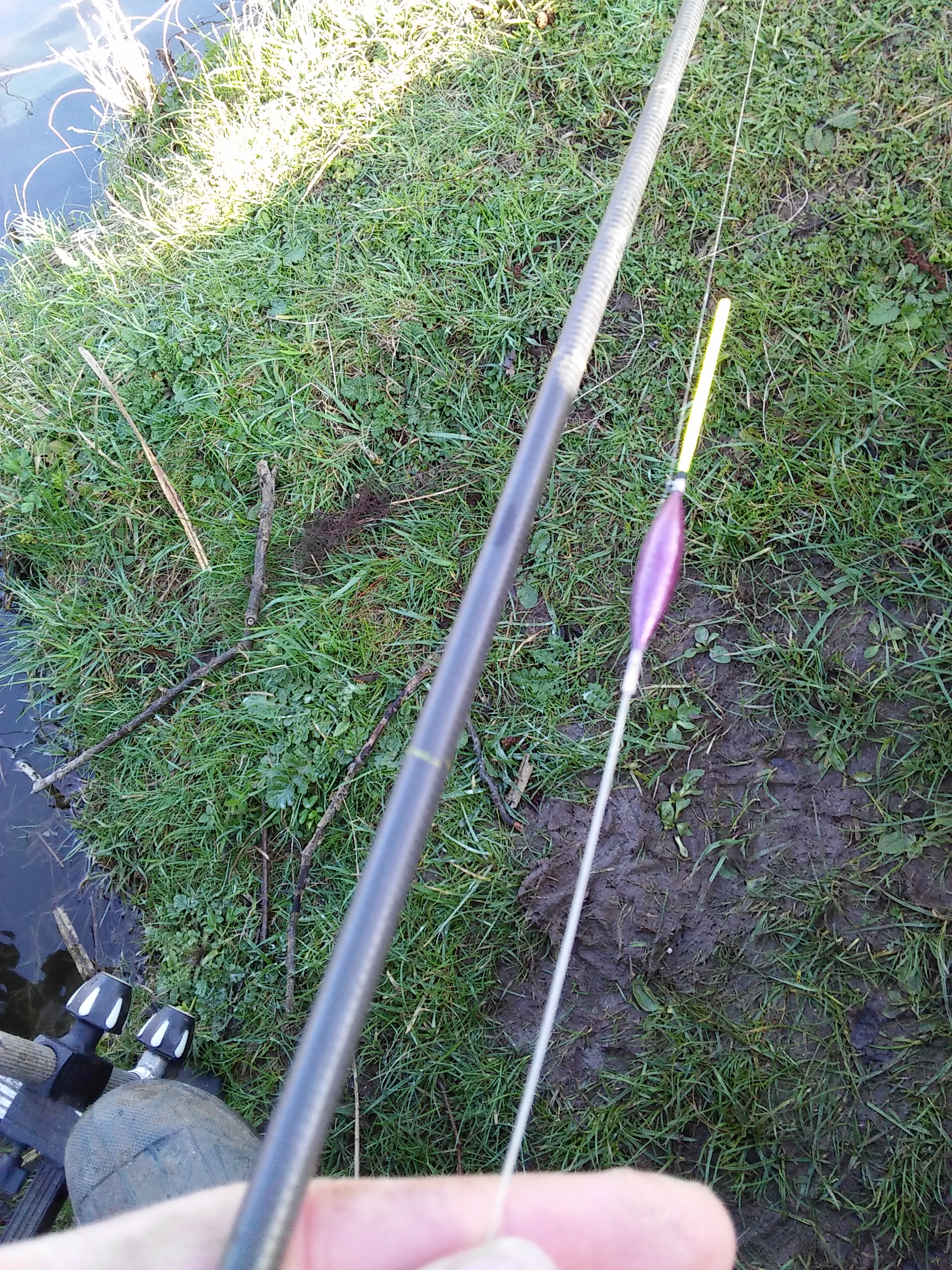
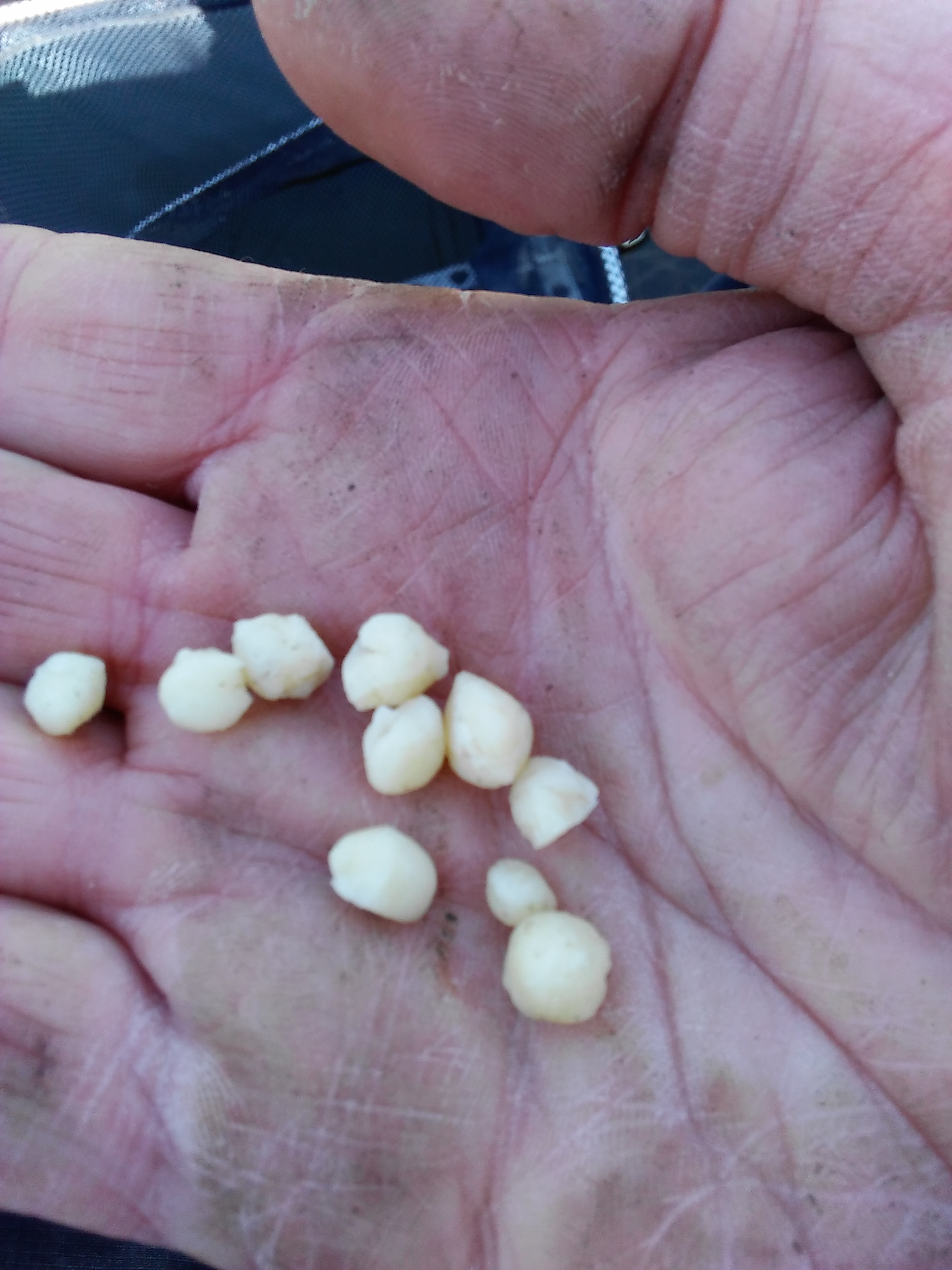
The Ugly Duckling rig was brought into play again (2x no6 shot were added to the bulk to dot it down), the thinking behind the rig is that the 1g bulk tends to get it down past any rudd lurking but with the bulk set an inch or so off bottom it is easy to ensure the bait is past any weed. Anyway with plumbing up I had determined there was a hole three inches deeper slightly to the right of me at 10m. Using last session as a guide I introduced two full large pots of loose groundbait with a dozen grains of corn and 20-30 pieces of wheat, corn went on the hook straight away.It was not long before a bream of 3-06 was in the net, several others followed before I hooked something slightly better that turned out to be one of 5-12.

Baits were steady and if tailed off a pot of loose brought them back, all the while I was firing out a pinch of wheat every put in. At one point it went quiet before the float went under and the elastic streamed out, following a feisty fight a tench of 6lb lay in my net!
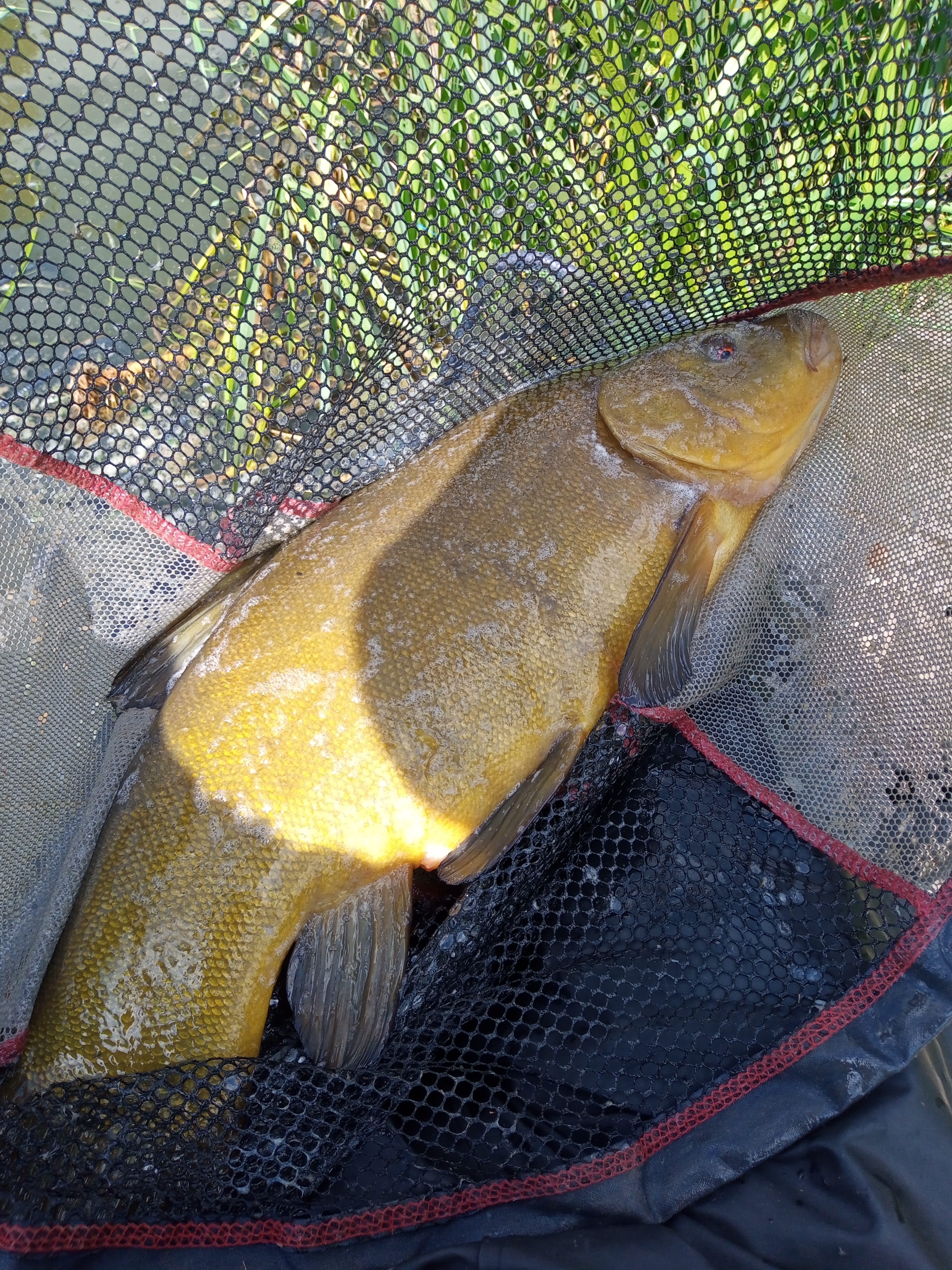
In total I had 17 bream again plus the tench, for 56-09 I also had two rudd and a roach which I didn’t count!
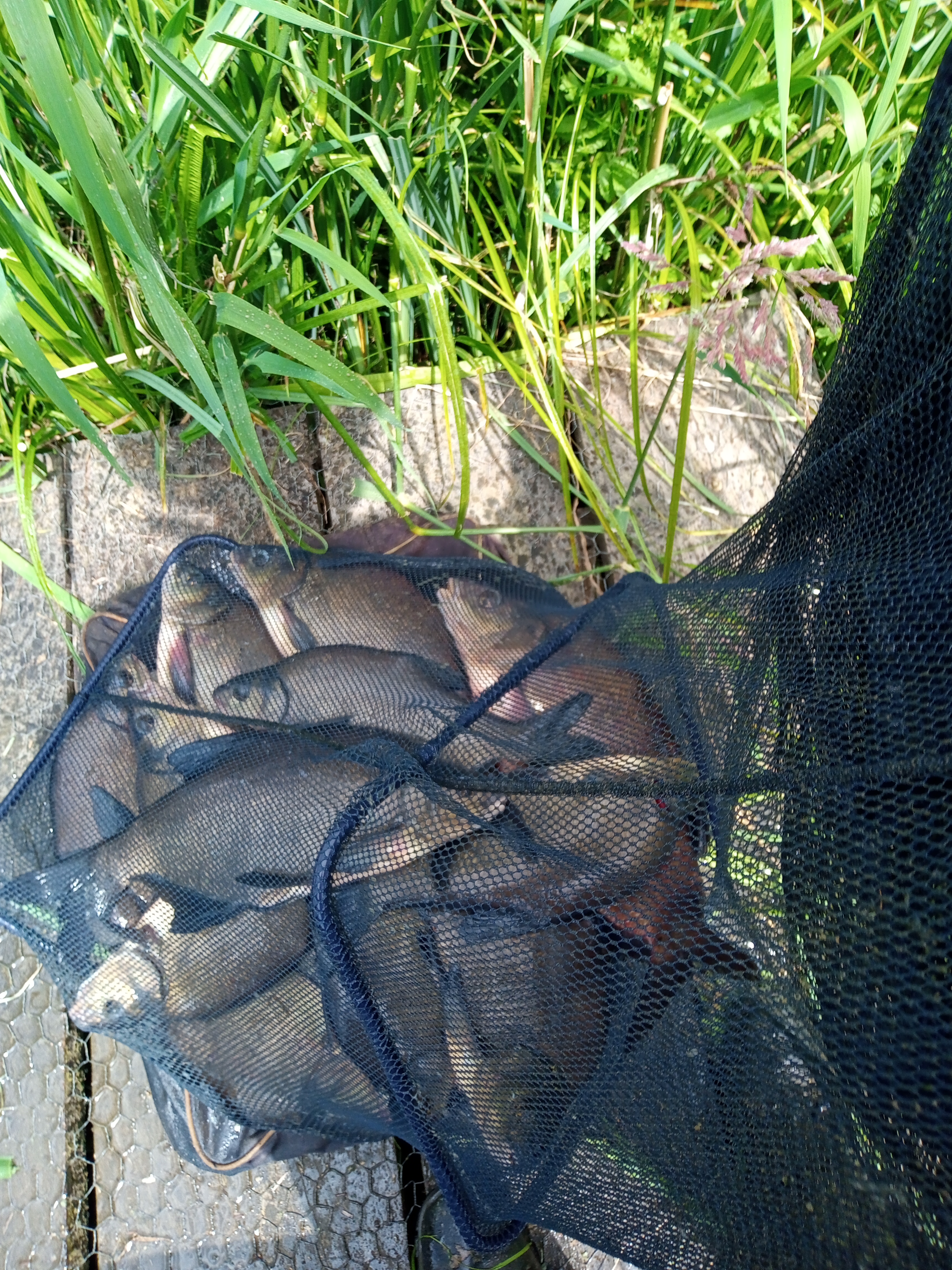
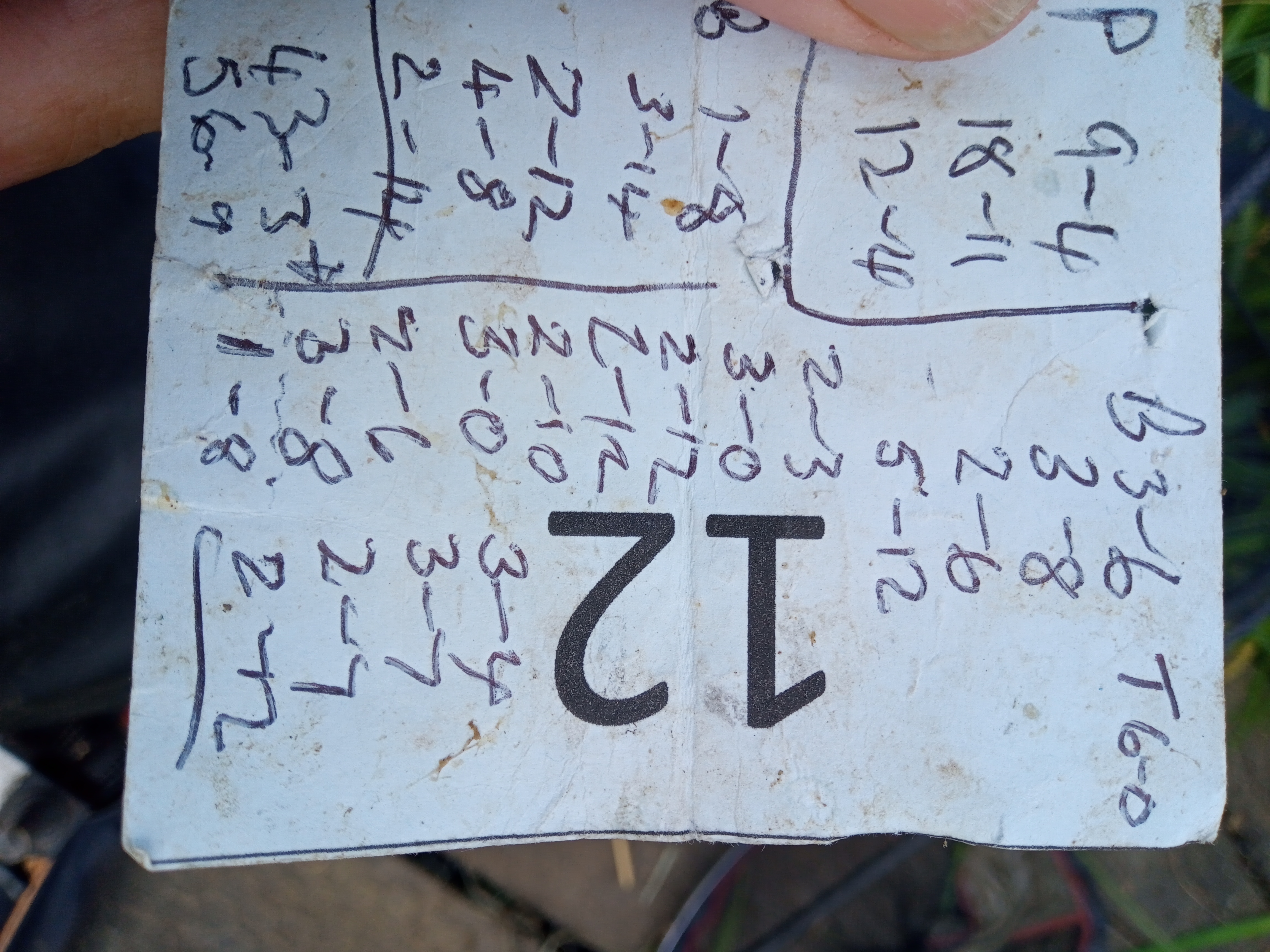
As you can see I weigh the fish in the landing net as I go along and note down the weight (minus the net).
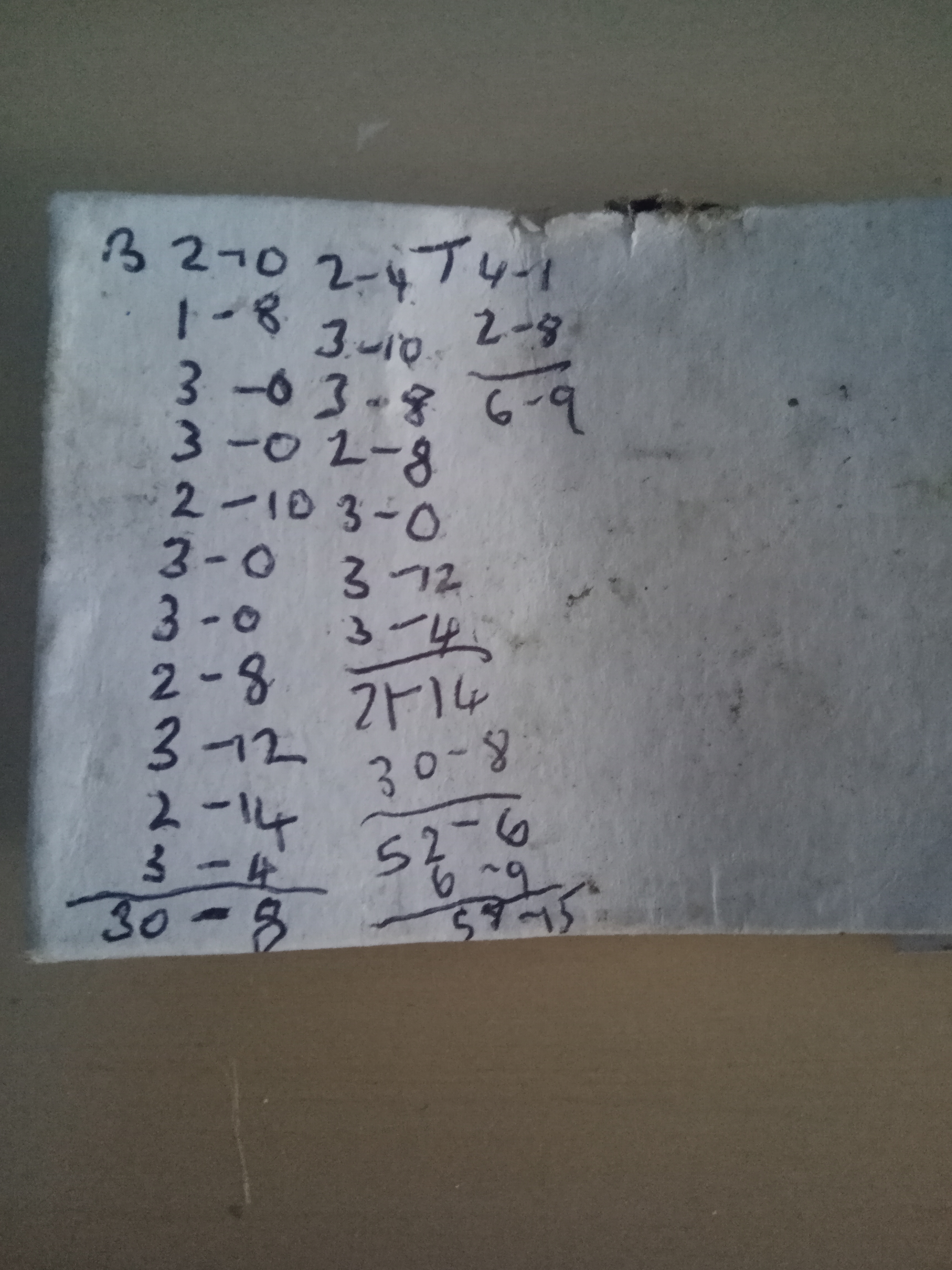
Friday was my next opportunity to go and I was expecting to try pegs further up the field with the colour potentially having gone. On arrival there were two anglers where I was intending to fish but I checked Peg 1 and unbelievably the colour was still in the water, without further ado I set up once again, thinking surely I can’t be lucky again! I fished the exact same way, starting at 8:45 and ending at 11:45 (reason why later!) but I did not get 17 bream this time – I got 18 plus two tench of 4-01 and 2-08 for a 58-15 total, again I have discounted the solitary roach I had on corn!

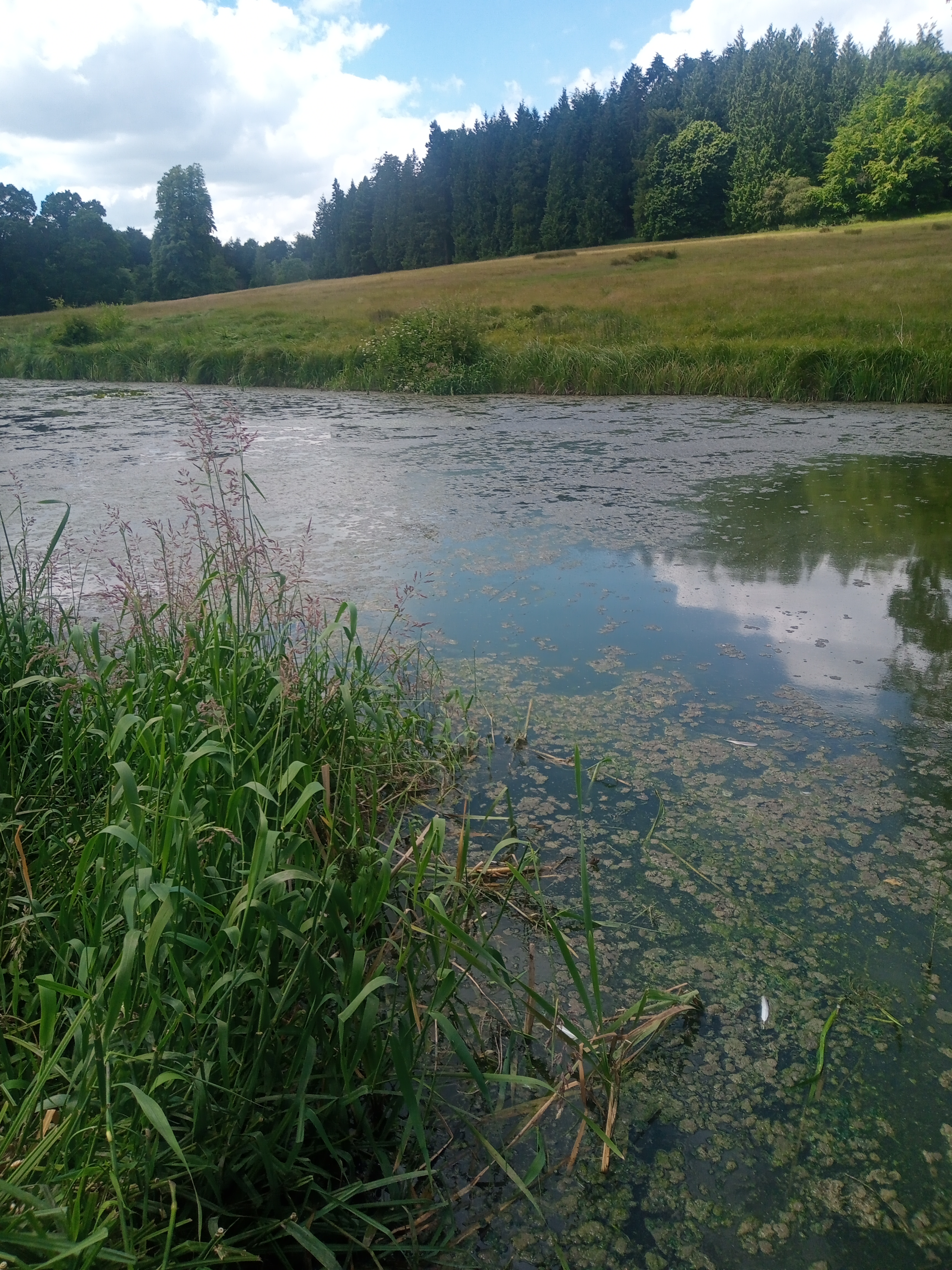
I had planned to fish a bit longer but all of a sudden after the last bream at 11:45 there seemed to be a surge of water and a load of floating decaying weed covered the water in front of me, once I had packed up the weed had floated back out of the swim!
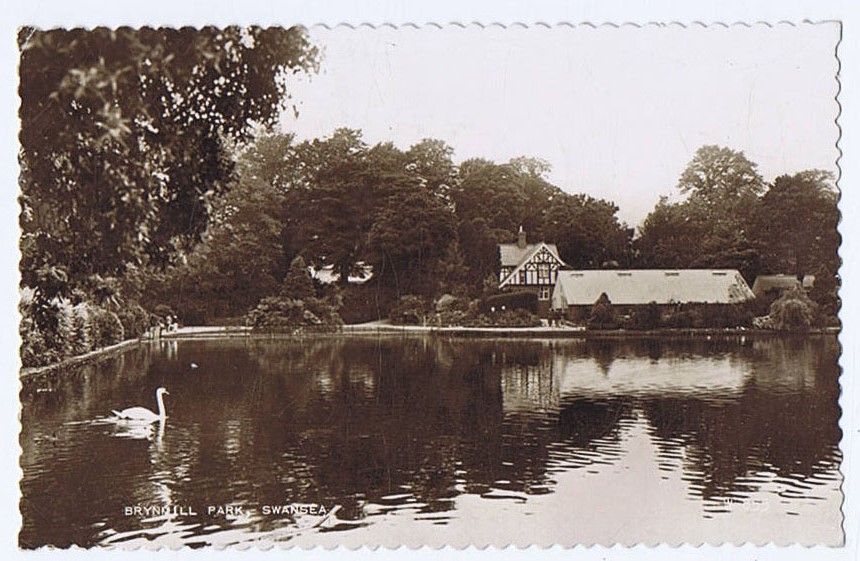 Alas Brynmill Park no longer allows fishing but the skills learned from the gurus of the day – Alan Godrich and Paul Huxtable- live on. Poles were not available then, you could get fibre glass telescopic whips up to 6m, elastics unheard of, everything was rod and line.